


Most pet parents know how important it is to brush their own teeth — but did you know your dog or cat needs regular dental care too? Just like people, pets can develop plaque, tartar, gum disease, and painful infections if their teeth aren’t properly cleaned.
Unfortunately, dental disease is extremely common. Studies show that most dogs and cats have some level of dental disease by the age of three. At EPIC Pet Center, our goal is to catch and treat dental problems early — before they cause pain or lead to bigger health issues.
Why Dental Cleanings Matter for Pets
1. Prevents Painful Dental Disease
Plaque builds up on your pet’s teeth every day. Over time, it hardens into tartar that can’t be removed by brushing or chews alone. This buildup irritates the gums, causes bad breath, and can lead to infection or tooth loss if left untreated.
2. Protects Overall Health
Bacteria from infected gums don’t just stay in the mouth — they can enter the bloodstream and affect vital organs like the heart, liver, and kidneys. Regular dental cleanings help keep your pet’s whole body healthier.
3. Keeps Your Pet Happy and Comfortable
Even mild dental disease can make eating or chewing painful. Pets rarely show obvious signs of mouth pain — they simply adapt. Clean, healthy teeth help them eat better, play more, and feel happier.
4. Saves Money in the Long Run
Preventive care costs much less than treating advanced dental disease. Regular cleanings help you avoid expensive procedures like extractions or abscess treatments later on.
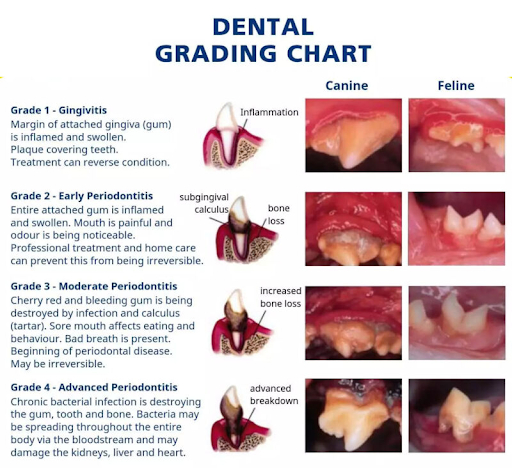
Why Do Pets Need Anesthesia for Dental Cleanings?
Many pet owners worry about anesthesia, but it’s actually a vital part of a safe and thorough cleaning. Without it, we can only clean the visible parts of your pet’s teeth — not below the gum line, where most dental disease hides.
When your dog or cat is safely under anesthesia, we can:
-
Take full dental X-rays to detect hidden problems
-
Clean above and below the gum line
-
Polish the teeth to slow future plaque buildup
-
Examine each tooth and gum carefully
-
Protect the airway with a breathing tube
-
Perform any needed extractions or treatments safely and pain-free
Anesthesia-free cleanings may make teeth look cleaner on the surface, but they don’t address disease below the gum line — and can let serious problems go unnoticed.
How We Keep Anesthesia Safe
At EPIC Pet Center, your pet’s safety is always our top priority. We use modern, individualized anesthesia protocols based on your pet’s age, breed, and health status.
Here’s how we ensure a safe experience:
-
Pre-anesthetic exam
-
Pre-anesthetic blood work to check organ function & to ensure your pet is healthy enough to safely undergo anesthesia
-
Premedications to reduce stress and anxiety and facilitate Smooth Induction and Recovery
-
IV catheter and fluids to maintain hydration and blood pressure
-
Continuous monitoring of heart rate, blood pressure, oxygen, and temperature, etc.
-
Customized anesthesia plans for each patient
-
Careful recovery monitoring by our veterinary team
Anesthesia is far safer today than it used to be — and the benefits of a full, professional cleaning far outweigh the risks.
Is My Older Pet Safe to Go Under Anesthesia?
This is one of the most common questions we hear — and the good news is, age alone isn’t a reason to avoid anesthesia. What matters most is your pet’s overall health.
Before any procedure, we perform a comprehensive physical exam, pre-anesthetic testing, including blood work and, if needed, chest X-rays or other diagnostics. These tests help us tailor the safest anesthetic plan for your senior pet. We also adjust medications, fluids, and monitoring for older patients to provide extra support.
In fact, avoiding dental care due to age can sometimes do more harm than good — untreated dental infections can be painful and may worsen existing heart, kidney, or liver disease. With proper precautions, most senior pets handle anesthesia very well and often feel better afterward once their mouth is clean and comfortable.
The Dangers of Anesthesia-Free Dental Cleanings
As a loving pet parent, you want the best for your furry companion — including a healthy, clean smile. While anesthesia-free dental cleanings might sound appealing, they can actually be stressful and dangerous for your cat or dog.
During a non-anesthetic dental cleaning, pets are often restrained while sharp tools are used on their teeth. Imagine your pet being held down and having their teeth scraped while awake — a situation that can be frightening and overwhelming. The stress of this procedure can lead to panic, rapid breathing, or even defensive behavior, putting both your pet and the veterinary team at risk.
Movement during the cleaning is another serious concern. Sudden jerks or struggles can cause injuries to the gums, tongue, or jaw, and in severe cases, some pets have required emergency veterinary care due to complications.
Anesthesia, when performed safely by trained professionals, is not only safer but also more humane.
At Epic Pet Center, we prioritize the well-being and safety of your cats and dogs. Anesthesia ensures that dental care is effective, pain-free, and stress-free, giving your pet the best chance for a healthy mouth and overall wellness.
How Often Should My Pet Have Their Teeth Cleaned?
It depends on your pet’s size, breed, diet, and home care.
-
Small dogs and cats often need annual cleanings.
-
Larger dogs with good home care may need them every 1–2 years.
During your pet’s exam, our veterinarians will recommend the best schedule for their individual needs.
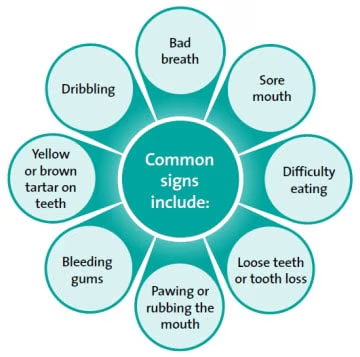
If you notice any of the following signs in your dog, contact your veterinarian for a complete examination:
Home Dental Care Between Cleanings
You can help keep your pet’s mouth healthy between professional cleanings by:
-
Brushing daily with pet-safe toothpaste
-
Offering VOHC-approved dental chews or treats
-
Feeding a dental diet, if recommended
-
Scheduling regular wellness exams
Even with great home care, professional cleanings are essential for removing buildup below the gum line.
References:
-
American Animal Hospital Association (AAHA): Anesthesia and Dental Cleaning for Pets – www.aaha.org
-
American Veterinary Medical Association (AVMA): Pet Dental Care Brochure – www.avma.org
-
PetMD: Is Non-Anesthetic Teeth Cleaning Safe for Pets? – www.petmd.com
-
FACE Foundation: Why Your Pet Needs Routine Dental Cleanings – The Foundation for Animal Care and Education